
We spend hours on our phones, work at screens all day and follow GPS instead of reading signs. As the way we use our eyes changes, the way we care for them should too. At 749 Glenferrie Road, Hawthorn, our optometrists offer eye examinations with retinal imaging and OCT, a dry eye clinic, myopia management, contact lenses and co-management with ophthalmologists.
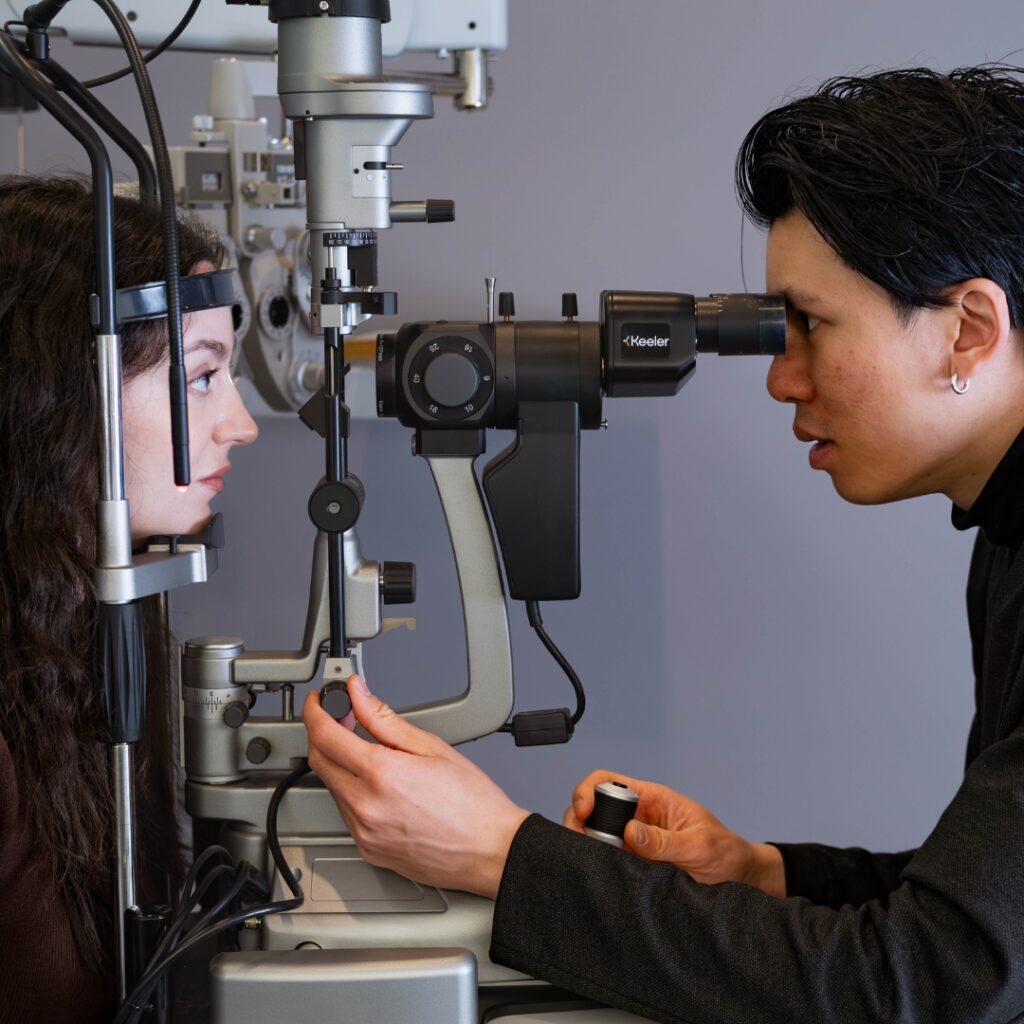
An eye examination is about more than a prescription for glasses. Your eyes can show the early signs of conditions that affect the whole body, so every examination is focused on early detection and prevention. Your optometrist can diagnose and treat a wide range of eye conditions, and will recommend dry eye treatment if you need it.
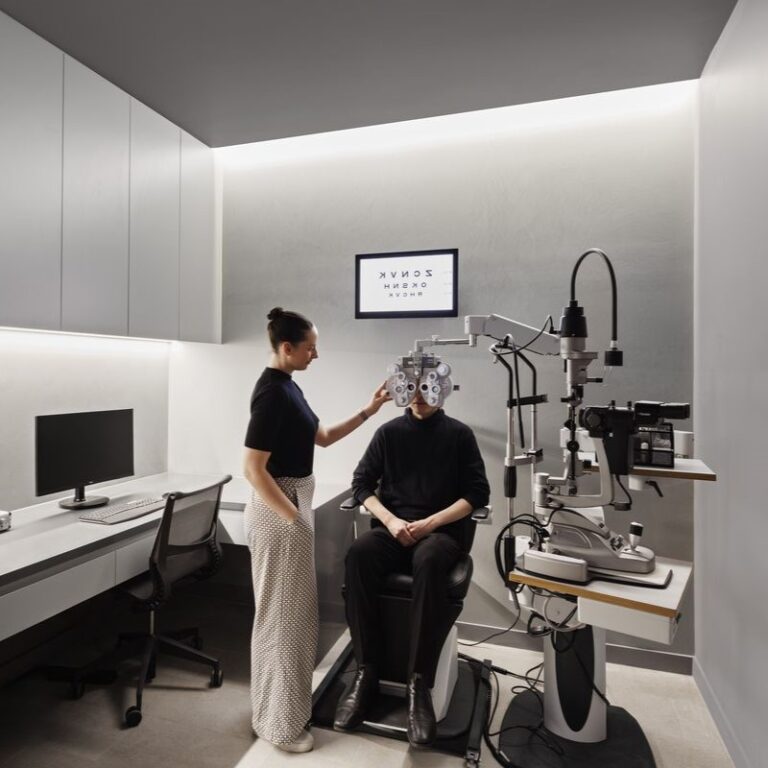
Every dry eye treatment plan is personal and addresses both your symptoms and their underlying causes. It starts with a full dry eye assessment, so your optometrist can diagnose and classify your dry eye before recommending treatment.
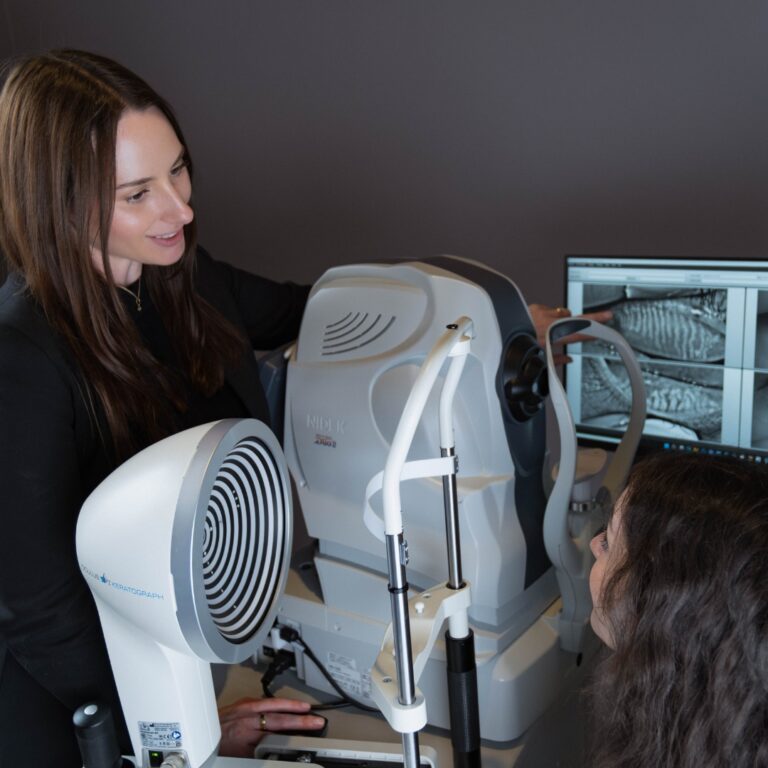
Assesses dry eye objectively in a single examination. It measures non-invasive tear break-up time (NIBUT), how quickly your tear film breaks up after a blink, and tear meniscus height, an indication of how much tear fluid you have; images the meibomian glands in your eyelids with infrared meibography; and grades redness of the white of the eye (bulbar and limbal redness, R-scan).
Measures how much watery (aqueous) tear fluid your eyes produce. Small sterile paper strips are placed gently inside the lower eyelids for five minutes to assess tear production in each eye. We offer it when clinically indicated, particularly when aqueous-deficient dry eye or a condition such as Sjögren’s syndrome is suspected.
Treatment is chosen to suit the type and cause of your dry eye, and treatments are often combined.
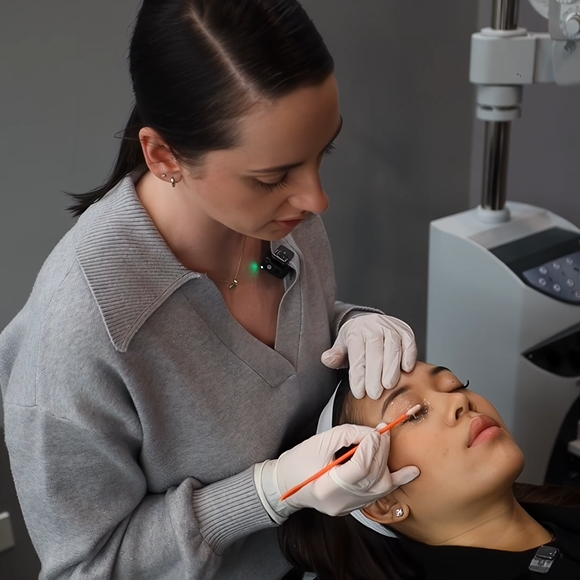
An in-clinic procedure developed by Zocular that deep cleans the eyelids with a natural okra-based gel. It addresses dry eye symptoms caused by Demodex mites and blepharitis: it exfoliates the eyelids and helps open the meibomian glands, supporting healthy tear production. We recommend regular home care afterwards to keep your eyelids clean. A session is $150.
Intense pulsed light (IPL) delivers gentle pulses of light around the eyelids. It aims to reduce inflammation, unblock the meibomian glands, improve how they work and increase tear production, and it can reduce redness. Treatment is tailored to your condition, its severity and your goals.
Controlled moist heat for dry eye caused by meibomian gland dysfunction. It softens blockages in the glands, hydrates the eyelids and improves blood flow around them, supporting healthy oil production and a stable tear film. It also prepares the glands for expression or IPL.
A hands-on treatment: gentle pressure is applied to the eyelids to express blocked oil glands. Clearing the blockages aims to restore gland function, improve tear stability and reduce dry eye symptoms. It is often combined with Blephasteam or IPL, using instruments sterilised after every patient.
For severe or non-healing ocular surface conditions, such as persistent corneal defects, severe dry eye or other complex ocular surface disease. The AmnioTek membrane delivers natural growth factors with anti-scarring properties, to help the surface of the eye heal and reduce inflammation. It is placed on the eye under a protective bandage contact lens.
The Lumenis OptiLight IPL we use for dry eye is also used on the face: to treat ocular and facial rosacea, and skin concerns such as pigmentation, sun damage, redness and uneven texture.
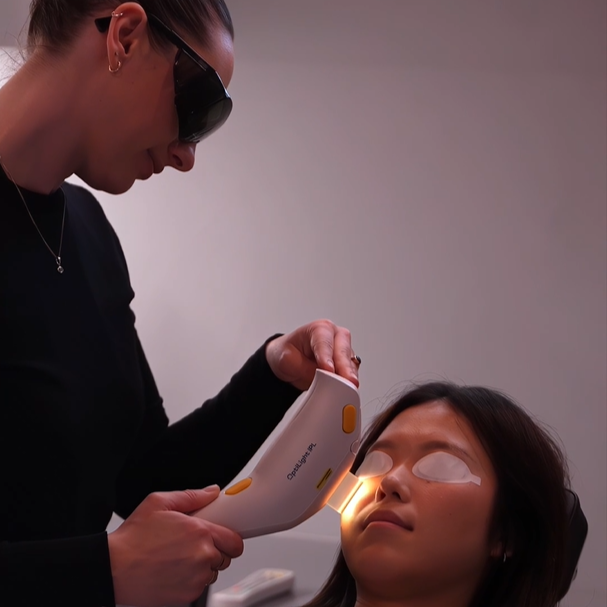
IPL targets the blood vessels behind the redness and inflammation of rosacea. The light is absorbed by haemoglobin, which aims to reduce visible blood vessels and calm the skin. For ocular rosacea, it also addresses the abnormal blood flow around the eyes that can add to dryness and irritation.
Gentle pulses of light are delivered to the skin to target pigmentation, sun damage, redness and uneven texture.
Treatment can cover the whole face, or focus on a specific area such as sun spots, redness or small capillaries, leaving the surrounding skin untreated. We tailor it to your skin and what you would like to address.
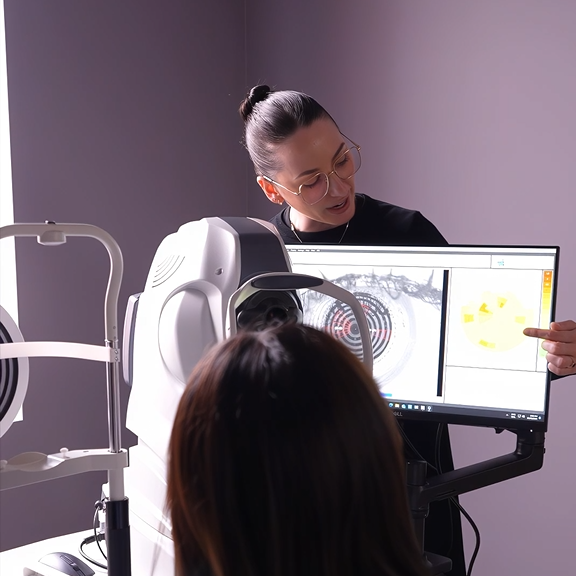
To manage or slow the progression of myopia (short-sightedness), we go through the available treatments with you and make a personal plan. The myopia management assessment is 40 minutes, $120. It includes an eye examination, OCT, corneal topography and retinal imaging, a cycloplegic examination where needed, and a discussion of your diagnosis and plan.
Lenses worn overnight for clear vision during the day without glasses or contact lenses. One of the options we use to manage myopia in children, and suitable for adults too.
Glasses lenses designed to slow the progression of myopia in children, while giving clear vision.
Eye drops applied once a day at a low dose to slow the progression of myopia in children.
Daily soft contact lenses designed to slow the progression of myopia.
We go through the contact lens options with you, to find the lenses that suit your eyes and your vision.
The most common type of contact lens. Made from flexible silicone hydrogel, they mould to the shape of your cornea and are usually the easiest for new wearers to get used to. We recommend 1-day disposables: worn during the day, removed before sleep and discarded after each day’s use. If your prescription is outside the 1-day range, we prescribe another wearing schedule. As a Johnson & Johnson Acuvue preferred provider, we can ship your lenses directly to your door.
Custom lenses, designed from a map of your cornea, are worn overnight and gently reshape its front surface while you sleep, for clear vision during the day without glasses or daytime contact lenses. The effect is temporary and reversible. Suitable for children and adults. Lenses are $400 to $700 each, depending on the prescription. First-time wearers also have a one-off $1,200 fit and teach, which covers all consultations required in the first 12 months and includes a starter kit with the solutions you need. If you have worn ortho-k before, including lenses fitted overseas, the refit fee is $500.
Toric lenses for astigmatism, multifocal and monovision lenses for near and distance vision, and coloured lenses.
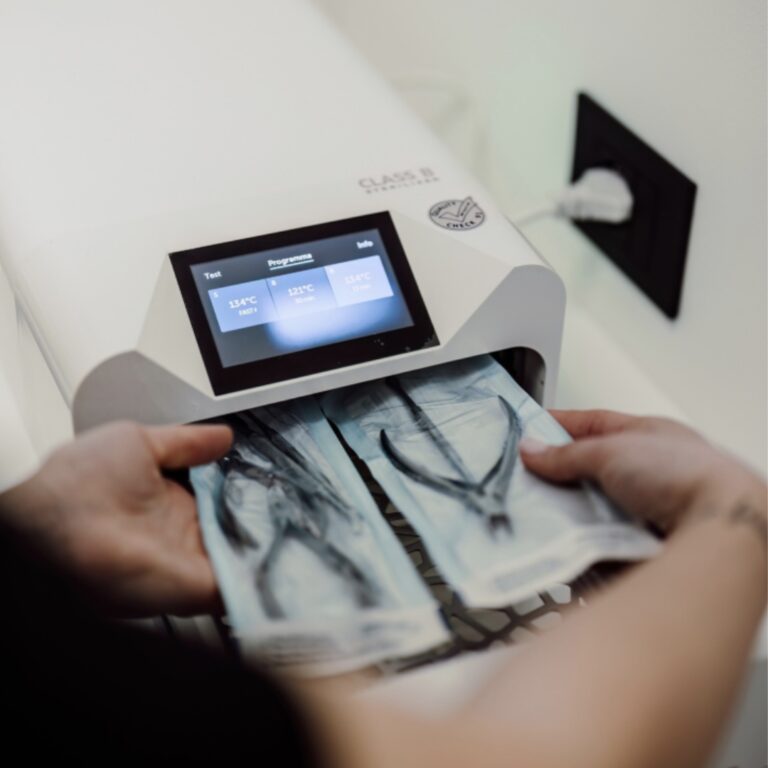
Every reusable instrument goes through a complete cleaning, packaging and sterilisation process after every patient, so you are treated with a freshly sterilised, purpose-designed instrument.
We work closely with our preferred local ophthalmologists. Whether you need LASIK, cataract surgery, glaucoma treatment or care for a retinal condition, we examine your eyes, refer you within our network and look after you with your ophthalmologist before and after treatment. A co-management consultation, such as a LASIK assessment or cataract evaluation, is $120.
Care before and after your operation, shared with your surgeon.
Glaucoma treatment and care for retinal conditions such as macular degeneration, co-managed with your ophthalmologist.
Eye drops made from your own blood, which deliver nutrients that support healing of the surface of the eye. A personalised option for severe dry eye that hasn’t responded to other treatments.
Developed with our network of ophthalmologists for patients preparing for LASIK, cataract or corneal surgery: deep cleaning and short-term dry eye management to help prepare your eyes for surgery. More than one session may be needed, depending on how severe your dry eye is.
Book a general eye examination. It includes a dry eye screen, and your optometrist will recommend the next step if you need one.