
Do you have Dry Eyes?
Struggling with dry eye symptoms such as dryness, itching, or burning? You’re not alone.
While traditional treatments like eye drops and warm compresses may offer temporary relief, they often fail to address the root cause of dry eye disease.
At Eyecare Project, we’re setting a new standard in dry eye assessments and dry eye treatment.
Using advanced diagnostics and proven dry eye treatments, we identify the underlying issues such as meibomian gland dysfunction, inflammation, or tear film instability, and develop a personalised treatment plan to restore comfort and clarity.
No referral needed.
Full Dry eye assessment
At Eyecare Project, our comprehensive 60-minute dry eye assessment goes far beyond basic surface-level screenings you may have experienced elsewhere. It’s designed to accurately diagnose the type of dry eye disease, establish a baseline before treatment, and create a personalised, effective treatment plan.
During the consultation, we perform a thorough evaluation of factors such as of your tear film, meibomian glands, and ocular surface, using advanced tools like infrared meibography and non-invasive tear break-up time testing. Multiple baseline photos and scans are captured to track real, measurable dry eye progress over time.
Our approach ensures that you’ll walk away with a clear understanding of what’s happening with your eyes and a dry eye treatment pathway that actually makes sense.
No referral needed.
We use Medicare’s Easyclaim system to submit your rebate on the spot, ensuring you receive your rebate of $67.85 immediately. You may have experienced this system at your GP, as it is widely used by doctors.
Full Dry Eye Assessment
60 minute dry eye consultation-
Ocular Surface Disease Index (OSDI) / Standardised Patient Evaluation of Eye Dryness (SPEED)
-
Evaluation of Non-Invasive Tear Film Break Up Time (NITBUT)
-
Evaluation of Tear Film Break Up Time (TBUT)
-
Deep Dive Into Your General Health & Lifestyle
-
Slit-lamp Camera Full Eye Baseline Photography
-
Ocular Surface Staining
-
Lipid Layer Assessment for Dry Eye Health
-
Infrared Meibography (Upper and Lower Eyelids)
-
Tear Meniscus Height
-
Schirmer's Test
-
JENVIS PRO Dry Eye Report
-
Diagnosis & Tailored Dry Eye Treatment Plan Discussed
Deep eyelid & Eyelash cleaning
A Deep Eyelid & Eyelash Cleaning consultation at Eyecare Project is a highly effective, 40-minute in-clinic treatment designed to address dry eye symptoms associated with blepharitis, eyelid inflammation, blocked meibomian glands and Demodex.
During the treatment, our optometrists thoroughly cleanse and exfoliate the eyelids and eyelashes to remove accumulated debris, improve eyelid hygiene and create a healthier environment around the eyes.
We use two professional eyelid cleansing systems – ZEST by Zocular® and Aelo® Eyelid + Eyelash Cleanser. Your optometrist will select the most appropriate solution based on your eyelid health, symptoms and clinical findings.
ZEST uses a specialised Zocular® gel to provide a thorough in-clinic cleanse and exfoliation of the eyelids and eyelashes, helping remove stubborn debris and build-up associated with blepharitis and Demodex.
Aelo® is Australia’s first TGA-listed eyelid and eyelash cleanser (AUST L 490647), with listed benefits including relieving eye discomfort, soothing irritated tissues, relieving dry and itchy skin, reducing skin redness and helping maintain healthy skin. It is fragrance-free, made in Australia and formulated for the delicate eye area.
The result is cleaner, healthier eyelids, reduced irritation and improved overall eye comfort.
This consultation is typically scheduled following a full dry eye assessment. If it is determined that the underlying cause of your dry eye symptoms is blepharitis and Demodex mites, this session will focus on the appropriate dry eye treatment for these conditions.
Lumenis OptiLight IPL
Lumenis OptiLight IPL uses precisely controlled pulses of broad-spectrum light to treat the inflammation and abnormal blood vessels associated with meibomian gland dysfunction (MGD), one of the leading causes of dry eye.
OptiLight is the first and only IPL technology FDA-authorised specifically for the management of dry eye disease due to MGD, using Lumenis’ patented Optimal Pulse Technology (OPT®) to deliver controlled and consistent light energy.
Meibomian Gland Stimulation:
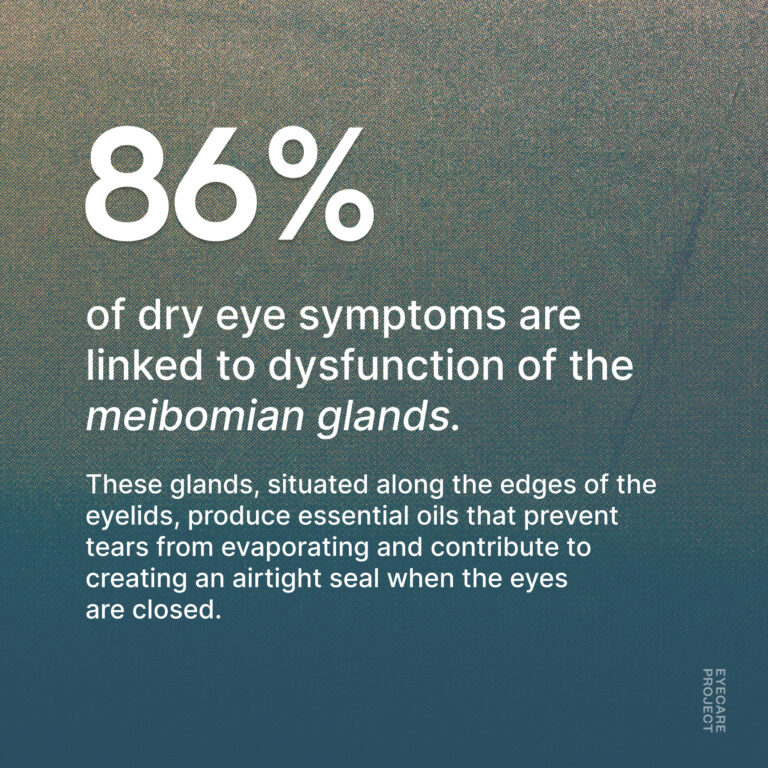
Lumenis IPL targets blocked meibomian glands, which are responsible for over 80% of dry eye cases, improving oil production, restoring tear stability, and enhancing gland function. It also improves meibomian gland morphology and functionality for long-term dry eye relief.
Reduce Inflammation:
Lumenis IPL therapy can significantly decrease inflammation, one of the primary causes of dry eye. By targeting the blood vessels that contribute to inflammation, this treatment helps in providing relief and improving overall eye health.
Improve Tear Breakup Time:
Lumenis IPL significantly extends tear breakup time and decreases tear osmolarity for longer-lasting dry eye relief.
Decrease Demodex:
Lumenis IPL reduces Demodex mites, lowering the risk of infections such as styes and preventing bacterial overgrowth on the eyelids, which can worsen dry eye.
By targeting several of the underlying factors associated with MGD, Lumenis OptiLight goes beyond temporarily lubricating the eyes to address the mechanisms contributing to evaporative dry eye.
This consultation is typically scheduled following a full dry eye assessment. To get started, book your dry eye assessment now and take the first step towards effective treatment.
IPL Start-up Protocol
Not all IPL dry eye treatments are the same. At Eyecare Project, we use the Lumenis OptiLight IPL and protocols developed by our optometrists to target meibomian gland dysfunction and associated inflammation.
Following a comprehensive dry eye assessment, our standard IPL start-up protocol consists of 4 treatment sessions, typically spaced approximately 2 weeks apart.
After completing the four-session course, your optometrist will reassess your response and recommend any ongoing or maintenance treatment based on your individual needs.
What makes our treatment different?
Upper & Lower Eyelid IPL
We are specifically trained to treat both the upper and lower eyelid regions, whereas many IPL protocols used by other clinics focus primarily on the lower eyelids and area below the eyes.
Gland Expression Every Session
We manually express the meibomian glands of all four eyelids after every IPL treatment to clear stagnant oils and assess gland function.
Medical-Grade Instruments
We use purpose-designed instruments that are sterilised between patients in our medical autoclave, rather than cotton buds.
Facial Rosacea Treatment
We are also trained to perform facial Lumenis IPL when rosacea and facial vascular inflammation are contributing to dry eye.
This consultation is typically scheduled following a full dry eye assessment. To get started, book your dry eye assessment now and take the first step towards effective treatment.
Combined IPL + Low Level Light Therapy (LLLT)
At Eyecare Project, Low-Level Light Therapy is not used as a standalone treatment. It is integrated into our Lumenis IPL protocol to provide our most comprehensive treatment for meibomian gland dysfunction and evaporative dry eye.
IPL treats the skin surrounding the eyes, helping to reduce abnormal blood vessels that can sustain inflammation, while also warming the meibomian glands and supporting healthier oil flow. LLLT is then applied directly over the closed upper and lower eyelids, using red-light photobiomodulation to stimulate cellular activity, support tissue repair and deliver additional anti-inflammatory effects directly to the eyelid tissues.
Because IPL and LLLT target different areas and work through complementary mechanisms, combining them allows us to address more of the factors contributing to meibomian gland dysfunction than either technology alone. This dual-therapy approach is designed to maximise treatment efficacy, improve meibomian gland function and achieve the most complete and effective outcome possible for suitable patients.
This treatment is performed exclusively in combination with IPL and is not offered as a standalone therapy. To determine whether combined IPL and LLLT is suitable for you, begin by booking a comprehensive dry eye assessment.
Meibomian Gland Expression
Meibomian gland expression is a crucial part of every IPL dry eye treatment session.
While IPL helps reduce inflammation and improve gland function, thick and stagnant oils may still remain trapped inside the glands. Following IPL, we gently express both the upper and lower eyelids using purpose-designed, stainless-steel meibomian gland expressor forceps. These precision instruments allow us to apply controlled pressure along the eyelid margin, clearing obstructed oils so healthier oils can flow more freely and support a more stable, comfortable tear film.
At Eyecare Project, we do not rely on cotton buds or improvised methods for gland expression. After every patient, our stainless-steel meibomian gland expressor forceps are thoroughly cleaned, packaged and sterilised in our Enbio S Class B medical steam autoclave before being used again.
By combining Lumenis IPL with thorough upper and lower eyelid expression, we maximise the effectiveness of each session, help preserve long-term gland function and provide the highest standard of clinical care and hygiene.
This consultation is typically scheduled following IPL or other forms of in-office heat treatments. To get started, book your dry eye assessment now and take the first step towards effective treatment.
Eyecare Project – Dry Eye Clinic Melbourne
We’re setting a new standard in dry eye assessments and dry eye treatments.
Our signature 60‑minute dry eye assessment goes far beyond standard screenings – you’ll receive a thorough evaluation using infrared meibography, tear film analysis, slit-lamp microscope imagery and more, so we can find the root cause of your dry eye symptoms and design an effective dry eye treatment plan.
No referral needed.
We look forward to helping you achieve lasting dry eye relief.
We use Medicare’s Easyclaim system to submit your rebate on the spot, ensuring you receive your rebate of $67.85 immediately. You may have experienced this system at your GP, as it is widely used by doctors.